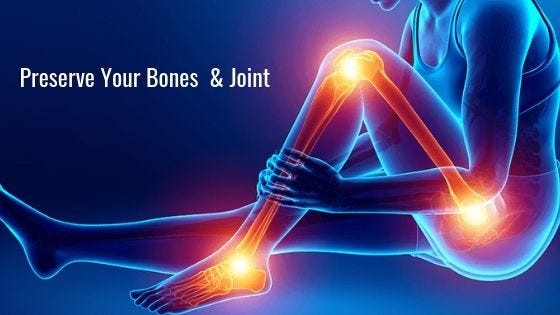
Strong bones and joints are the foundation of a healthy, active life. They provide the structure that supports movement, protect vital organs, and enable us to perform daily tasks with ease. Yet many people only begin to think about bone and joint health when problems arise, such as stiffness, pain, or fractures. Building strength in these areas is not just about preventing injury; it is about investing in long-term resilience and ensuring that the body can adapt to the demands of both work and leisure.
Bone health is often associated with calcium, and while this mineral is essential, it is only part of the picture. Bones are living tissue, constantly breaking down and rebuilding themselves. This process requires a combination of nutrients, including vitamin D, magnesium, and protein, to ensure proper density and strength. Without adequate support, bones can weaken over time, increasing the risk of conditions like osteoporosis. For professionals who spend long hours at desks or in meetings, paying attention to nutrition is a practical way to safeguard against future health challenges.
Joints, on the other hand, are the connectors that allow bones to move smoothly. They rely on cartilage, ligaments, and synovial fluid to function properly. When these components are compromised, movement becomes painful and limited. Wear and tear from repetitive motions, poor posture, or lack of physical activity can accelerate joint problems. Building strong joints requires a balance of mobility and stability, achieved through regular exercise, proper ergonomics, and mindful movement. In business environments where long hours of sitting are common, small adjustments such as standing breaks or ergonomic chairs can make a significant difference.
Exercise plays a critical role in strengthening both bones and joints. Weight-bearing activities like walking, running, or resistance training stimulate bone growth and improve density. At the same time, exercises that enhance flexibility and balance, such as yoga or stretching routines, support joint health by maintaining range of motion and reducing stiffness. The combination of strength and mobility ensures that the body remains adaptable, capable of handling both everyday tasks and unexpected physical demands. For busy professionals, even short, consistent routines can yield long-term benefits.
Another factor in building strong bones and joints is maintaining a healthy weight. Excess weight places additional stress on joints, particularly in the knees, hips, and spine. Over time, this can lead to accelerated wear and discomfort. Conversely, being underweight can reduce bone density, increasing the risk of fractures. Striking a balance through mindful eating and regular activity helps protect both bones and joints, ensuring they can support the body effectively. This balance is not about perfection but about consistency, making choices that align with long-term health goals.
Hydration is often overlooked but is vital for joint health. Synovial fluid, which lubricates joints, relies on adequate hydration to function properly. Dehydration can lead to stiffness and discomfort, making movement less efficient. Drinking enough water throughout the day supports not only joint function but also overall energy and focus. In professional settings, where coffee and quick meals often dominate, remembering to hydrate can be a simple yet powerful way to support physical well-being.
Stress management also plays a role in bone and joint health. Chronic stress can lead to hormonal imbalances that affect bone density, while tension often manifests physically in the form of tight muscles and stiff joints. Incorporating relaxation techniques such as deep breathing, meditation, or even short walks can reduce stress and support the body’s natural healing processes. Businesses that encourage wellness practices within the workplace contribute to healthier employees who are better equipped to manage both physical and mental demands.
Sleep is another critical component of building strong bones and joints. During rest, the body repairs tissues, replenishes energy, and regulates hormones that influence bone and joint health. Consistently poor sleep can undermine these processes, leaving the body more vulnerable to injury and slower to recover. Prioritizing rest is not just about productivity; it is about giving the body the time it needs to strengthen and adapt. For professionals, creating routines that support quality sleep can be as important as any exercise or dietary change.
Preventive care is essential in maintaining bone and joint strength. Regular check-ups, screenings, and consultations with healthcare providers can identify potential issues before they become serious. Early detection of bone density loss or joint problems allows for timely interventions that preserve function and reduce long-term risks. Businesses that integrate preventive health programs into employee benefits demonstrate a commitment to long-term wellness, reinforcing the importance of proactive care.
The workplace itself can be designed to support bone and joint health. Ergonomic furniture, adjustable desks, and spaces that encourage movement all contribute to healthier environments. Encouraging employees to take short breaks, stretch, or walk during the day reduces the strain of prolonged sitting and supports joint mobility. These small changes can have a significant impact on overall well-being, creating workplaces that not only foster productivity but also prioritize health.
Nutrition, exercise, hydration, stress management, sleep, and preventive care all work together to build strong bones and joints. Each element reinforces the others, creating a holistic approach to health that supports both personal and professional success. The key is consistency—making small, sustainable choices that accumulate over time. Strong bones and joints are not built overnight but through daily habits that prioritize resilience and adaptability.
Ultimately, investing in bone and joint health is about more than avoiding pain or injury. It is about creating a foundation for an active, fulfilling life, where the body supports the ambitions and responsibilities of the mind. For professionals, this investment translates into greater energy, focus, and longevity in their careers. By building strength in the body’s framework, individuals equip themselves to meet challenges with confidence, ensuring that both their personal and professional journeys are supported by resilience and vitality.