APIs have become the backbone of modern digital ecosystems, enabling applications to communicate seamlessly and businesses to deliver services at scale. From powering mobile apps to connecting enterprise systems, APIs are the invisible infrastructure that drives innovation and efficiency. Yet with this growing reliance comes heightened risk. APIs are often exposed to the internet, making them prime targets for attackers seeking to exploit vulnerabilities. Developing robust API security strategies is therefore essential for organizations that want to protect their data, maintain trust, and ensure the resilience of their digital operations.
The first step in understanding API security is recognizing the unique challenges APIs present. Unlike traditional applications, APIs are designed to be consumed by other software, which means they often expose sensitive functions and data directly. This openness is what makes APIs powerful, but it also creates opportunities for misuse. Attackers can exploit poorly secured endpoints to gain unauthorized access, manipulate data, or disrupt services. A robust strategy must account for these risks while still enabling the flexibility and scalability that APIs provide.
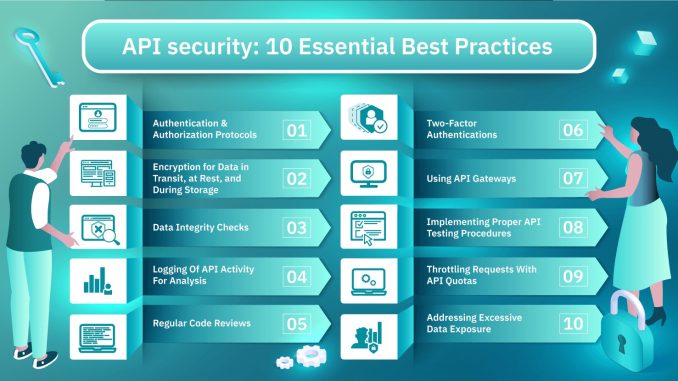
Authentication and authorization are central to API security. Ensuring that only legitimate users and systems can access an API is critical, but it is not enough to simply check credentials. Strong strategies involve implementing token-based authentication, enforcing role-based access controls, and regularly reviewing permissions to prevent privilege creep. By carefully managing who can access what, organizations reduce the likelihood of unauthorized activity and limit the potential impact of compromised accounts.
Data protection is another cornerstone of API security. APIs often handle sensitive information such as personal details, financial records, or proprietary business data. Encrypting data both in transit and at rest ensures that even if communications are intercepted, the information remains secure. Beyond encryption, organizations should also consider techniques such as data masking and rate limiting to minimize exposure. Protecting data is not just a technical requirement but a business imperative, as breaches can erode customer trust and invite regulatory scrutiny.
Monitoring and visibility play a vital role in developing robust strategies. APIs generate a wealth of logs and metrics that can provide insights into usage patterns and potential anomalies. By implementing continuous monitoring and leveraging analytics, organizations can detect suspicious activity early and respond before it escalates into a full-blown incident. Visibility also supports compliance efforts, as detailed records of API interactions can demonstrate adherence to regulatory standards and internal policies.
Another critical aspect is the management of vulnerabilities. APIs, like any software, can contain flaws that attackers exploit. Regular testing, including penetration testing and automated scanning, helps identify weaknesses before they are discovered by malicious actors. Organizations should adopt a proactive approach to patching and updating APIs, ensuring that security fixes are applied promptly. This requires close collaboration between development and security teams, reinforcing the idea that API security is not a one-time effort but an ongoing process.
The rise of microservices and distributed architectures has added complexity to API security. With dozens or even hundreds of APIs interacting across environments, the attack surface expands significantly. Robust strategies must therefore include centralized governance and consistent security policies across all APIs. This can be achieved through API gateways, which act as control points for traffic, enforcing rules and providing a unified layer of protection. By consolidating security measures, organizations can reduce fragmentation and strengthen their defenses.
Human factors also play a role in API security. Developers are often under pressure to deliver features quickly, which can lead to shortcuts or oversights in security practices. Building a culture where security is prioritized alongside functionality is essential. This involves training developers on secure coding practices, integrating security checks into the development lifecycle, and fostering collaboration between engineering and security teams. When security becomes part of the organizational mindset, APIs are less likely to be deployed with hidden vulnerabilities.
Scalability and performance considerations must also be balanced with security. Overly restrictive measures can hinder usability, while lax controls invite risk. The most effective strategies find a middle ground, implementing protections that are strong yet adaptable. For instance, rate limiting can prevent abuse without disrupting legitimate traffic, while adaptive authentication can adjust requirements based on risk levels. By designing security with flexibility in mind, organizations can support growth without compromising safety.
Compliance requirements add another layer of complexity. Regulations such as GDPR, HIPAA, and industry-specific standards impose strict rules on how data is handled and protected. APIs must be designed to meet these obligations, which often means incorporating features such as consent management, audit trails, and secure data storage. Compliance is not just about avoiding penalties; it is about demonstrating to customers and partners that the organization takes its responsibilities seriously. Robust API security strategies must therefore align with both technical best practices and regulatory mandates.
The business case for strong API security is clear. Beyond protecting data and systems, it enables organizations to innovate confidently. When APIs are secure, businesses can open them to partners, developers, and customers without fear of compromise. This fosters collaboration, accelerates digital transformation, and creates new opportunities for growth. Conversely, weak security can stifle innovation, as organizations hesitate to expose APIs or restrict their use due to concerns about risk.
Looking ahead, the importance of API security will only grow. As technologies such as artificial intelligence, IoT, and blockchain rely increasingly on APIs to function, the stakes will rise. Attackers will continue to target APIs as entry points, and organizations must be prepared to defend them with strategies that evolve alongside the threat landscape. This requires not only technical measures but also a commitment to continuous improvement, collaboration, and vigilance.
Ultimately, developing robust API security strategies is about striking a balance between openness and protection. APIs are designed to enable connectivity and innovation, but they must be safeguarded to ensure that this connectivity does not become a liability. By combining strong authentication, data protection, monitoring, vulnerability management, and cultural commitment, organizations can build strategies that are resilient, adaptable, and future-ready. In doing so, they not only protect their digital assets but also unlock the full potential of APIs as engines of growth and transformation.