Hydration is often discussed in the context of physical performance, but its influence on cognitive function is just as profound. The brain, like every other organ, depends on water to operate efficiently. Even mild dehydration can impair concentration, memory, and decision-making, which are critical skills in both personal and professional settings. Understanding the role of hydration in mental performance highlights why it should be treated not as a minor detail but as a cornerstone of sustained productivity and resilience.
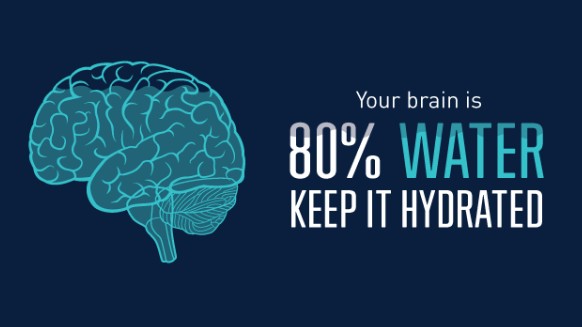
The brain is composed of nearly three-quarters water, and this fluid balance supports essential processes such as nutrient transport, waste removal, and electrical signaling between neurons. When hydration levels drop, these processes slow down, leading to mental fatigue and reduced clarity. Professionals may notice this as difficulty focusing during meetings, slower responses to complex problems, or a general sense of mental fog. These subtle but significant changes demonstrate how closely hydration is tied to cognitive sharpness.
Attention and concentration are among the first functions to be affected by dehydration. Tasks that require sustained focus, such as analyzing data or negotiating contracts, become more challenging when the brain is not adequately hydrated. This is because dehydration reduces blood flow and oxygen delivery to the brain, diminishing its ability to maintain high levels of alertness. In fast-paced business environments, where precision and focus are essential, overlooking hydration can quietly undermine performance.
Memory is another area where hydration plays a critical role. Short-term recall, which is vital for processing information and making decisions, is particularly sensitive to fluid balance. When hydration is compromised, the ability to retain and retrieve information diminishes, making it harder to connect ideas or recall details during discussions. For professionals, this can mean missing key points in conversations or struggling to remember important data, both of which can affect credibility and outcomes.
Decision-making also depends heavily on hydration. Complex judgments require the integration of multiple streams of information, emotional regulation, and logical reasoning. Dehydration disrupts these processes, leading to slower thinking and increased susceptibility to errors. In leadership roles, where decisions often carry significant consequences, maintaining hydration is a simple yet powerful way to support clarity and confidence. It reinforces the idea that small physiological factors can have outsized effects on strategic outcomes.
Mood regulation is closely tied to hydration as well. Even slight dehydration can increase irritability, anxiety, and stress, all of which interfere with effective communication and collaboration. Emotional stability is essential in professional environments, where teamwork and leadership depend on the ability to remain composed under pressure. By supporting hydration, individuals can better regulate their emotions, fostering stronger relationships and more constructive interactions.
Hydration also influences creativity and problem-solving. The brain’s ability to generate new ideas and approach challenges from different perspectives relies on optimal functioning of neural networks. Dehydration restricts this capacity, narrowing thinking and reducing flexibility. For professionals engaged in innovation or strategic planning, maintaining hydration can be the difference between breakthrough insights and stagnant thinking. It underscores how physical well-being directly supports intellectual agility.
The workplace environment often contributes to dehydration without individuals realizing it. Air conditioning, long hours of sitting, and reliance on caffeinated beverages can all increase fluid loss. Many professionals mistake thirst for hunger or fatigue, reaching for snacks or coffee instead of water. Recognizing these patterns and making hydration a conscious priority can help sustain energy and mental performance throughout the day. Simple adjustments, such as keeping water accessible or setting reminders, can make a significant difference.
Sleep quality, another determinant of cognitive function, is also affected by hydration. Dehydration can cause discomfort, such as dry mouth or muscle cramps, which disrupt rest. Poor sleep then compounds cognitive decline, creating a cycle of fatigue and reduced performance. By maintaining hydration, individuals support not only daytime focus but also nighttime recovery, ensuring that the brain is prepared for the demands of the next day.
The economic implications of hydration are worth noting. Reduced cognitive performance due to dehydration can lead to errors, inefficiencies, and missed opportunities, all of which carry costs for organizations. Conversely, promoting hydration in the workplace can enhance productivity, reduce absenteeism, and improve overall employee well-being. For businesses, this makes hydration not just a health issue but a strategic investment in performance and sustainability.
Technology has introduced new ways to support hydration habits. Apps and wearable devices can track fluid intake, remind individuals to drink water, and even monitor hydration levels through biometric data. These tools make it easier to integrate hydration into daily routines, ensuring that cognitive function is consistently supported. For organizations, adopting such tools as part of wellness programs demonstrates a commitment to employee health and performance.
Ultimately, the power of hydration for cognitive function lies in its simplicity. It is a fundamental need that directly influences focus, memory, decision-making, mood, and creativity. Yet it is often overlooked in favor of more complex strategies for productivity. By recognizing hydration as a critical factor in mental performance, individuals and organizations can unlock greater resilience and effectiveness. It is a reminder that the foundation of success is built not only on skills and strategies but also on the basic physiological needs that sustain the brain.
The journey toward sustained cognitive vitality begins with small, consistent choices. Prioritizing hydration throughout the day ensures that the brain operates at its full potential, supporting sharper thinking, stronger relationships, and better outcomes. In professional contexts, where demands are high and decisions matter, hydration is a simple yet powerful tool for maintaining clarity and resilience. By embracing its importance, individuals can move beyond energy dips and mental fatigue to cultivate sustained vitality and success.