Tech purpose is a concept that reflects the deeper mission behind innovation, emphasizing that technology should not only drive efficiency and profit but also serve meaningful goals for society. It is about aligning digital progress with values such as inclusivity, sustainability, and trust. As organizations increasingly define their strategies around purpose-driven technology, insurance has emerged as a critical enabler. By providing protection, reinforcing accountability, and encouraging resilience, insurers help ensure that technology can fulfill its purpose without being derailed by risks or uncertainties.
Insurance has always been about managing risk collectively, pooling resources to protect against events that individuals or organizations cannot handle alone. In the digital age, this principle aligns closely with tech purpose, where innovation must be safeguarded to deliver long-term value. Cyberattacks, data breaches, and system failures can undermine even the most well-intentioned initiatives. Insurance provides a safety net that allows organizations to pursue their purpose with confidence, knowing that setbacks will not result in catastrophic losses. This protection ensures that purpose-driven technology remains viable and sustainable.
One of the ways insurance supports tech purpose is by promoting accountability. Coverage often requires organizations to adopt safeguards, disclose practices, and comply with ethical standards. These requirements push companies to consider the broader impact of their actions on customers, employees, and communities. By embedding responsibility into operations, insurers help organizations align their use of technology with values of fairness and transparency. This alignment strengthens the integrity of digital systems, ensuring that purpose is not just a statement but a practice.
Insurance also plays a role in building trust, which is inseparable from purpose in technology. People are more likely to engage with platforms when they feel their interests are protected. When companies carry insurance for digital risks, it signals that they have considered potential vulnerabilities and are prepared to respond. This assurance fosters confidence, making customers feel secure and valued. Trust, once established, becomes a foundation for purpose, allowing technology to be integrated into daily life in a way that feels safe and supportive.
Inclusivity is another dimension of tech purpose, and insurance supports this by extending protection to underserved populations. Smaller businesses, startups, and individuals often lack the resources to manage risks effectively, leaving them vulnerable. Insurance helps bridge this gap by offering tailored products that reduce exposure. By making protection accessible, insurers enable broader participation in digital economies, ensuring that purpose is not limited to privileged groups but shared across diverse communities. This inclusivity strengthens the overall ecosystem, making technology more equitable and aligned with its mission.
Resilience is central to purpose, and insurance is a key enabler of resilience in digital environments. Disruptions are inevitable, whether they involve cyber incidents, regulatory changes, or technological failures. Insurance provides the means to recover quickly, ensuring that individuals and organizations can continue participating without being excluded. This resilience benefits not only those directly affected but also the communities they serve. Knowing that there is a plan for recovery reinforces confidence in digital systems and demonstrates care for those who might otherwise be left behind.
Insurance companies themselves are becoming active participants in promoting tech purpose. Many insurers now offer resources, guidance, and risk assessments to help organizations understand their vulnerabilities. Their expertise in managing risk translates into practical advice on how to strengthen purpose-driven practices in digital environments. Insurers are not just financial backstops; they are partners in building cultures of responsibility, helping organizations align their operations with the principles of purpose in technology.
The financial dimension of insurance further reinforces purpose. Investors and regulators are more likely to support organizations that demonstrate sound risk management practices. Insurance coverage signals financial responsibility, reassuring stakeholders that the organization is stable and reliable. This financial prudence strengthens purpose by ensuring that organizations can meet their obligations even in the face of digital challenges. Purpose, in this sense, is supported by the stability insurance provides, allowing diverse participants to engage confidently in digital economies.
Insurance also enhances transparency, which is central to purpose. Coverage often requires organizations to share information about their practices, risks, and compliance measures. This disclosure strengthens accountability, ensuring that stakeholders have access to accurate and reliable information. It reinforces the idea that purpose is not just about ambition but about openness in how risks are managed. Insurance, therefore, becomes a mechanism for promoting honesty and care in digital environments.
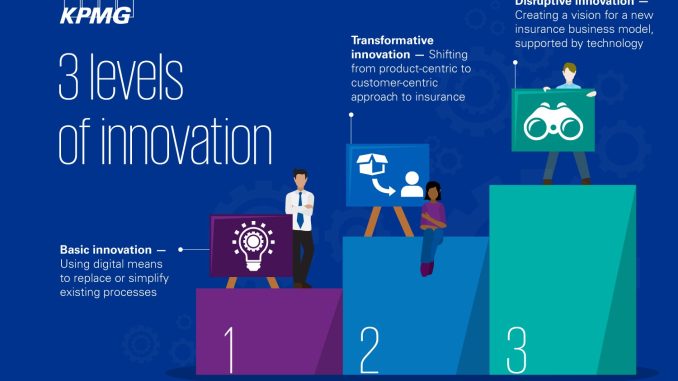
Innovation is another area where insurance supports purpose. Organizations may hesitate to adopt new technologies or business models due to the risks involved. Insurance provides the confidence to experiment, knowing that potential failures will not result in catastrophic losses. This freedom to innovate responsibly strengthens purpose, as companies can explore new solutions while maintaining safeguards. Insurance thus acts as a catalyst for progress, enabling purpose to evolve alongside technological change.
The long-term impact of insurance on tech purpose is significant. It creates stability, fosters trust, and encourages inclusivity. It supports resilience, promotes accountability, and enables innovation. Insurance is not simply a financial product; it is a framework that allows purpose to flourish in digital spaces. By aligning protection with participation, insurers help ensure that tech purpose is not only possible but sustainable in the face of evolving risks.
Ultimately, the relationship between insurance and tech purpose reflects a broader truth about business and society. Risk is inherent in digital life, but it does not have to be a barrier to meaning and mission. Insurance transforms risk into opportunity, enabling individuals and organizations to embrace purpose with confidence. It reinforces the values of trust, accountability, and inclusivity, shaping digital societies that are resilient and humane. In this way, insurance becomes more than a safeguard—it becomes a catalyst for the growth and maturity of tech purpose in the modern age.